
Wedding reception timeline from the DJ's side
5 min read ZION Entertainment
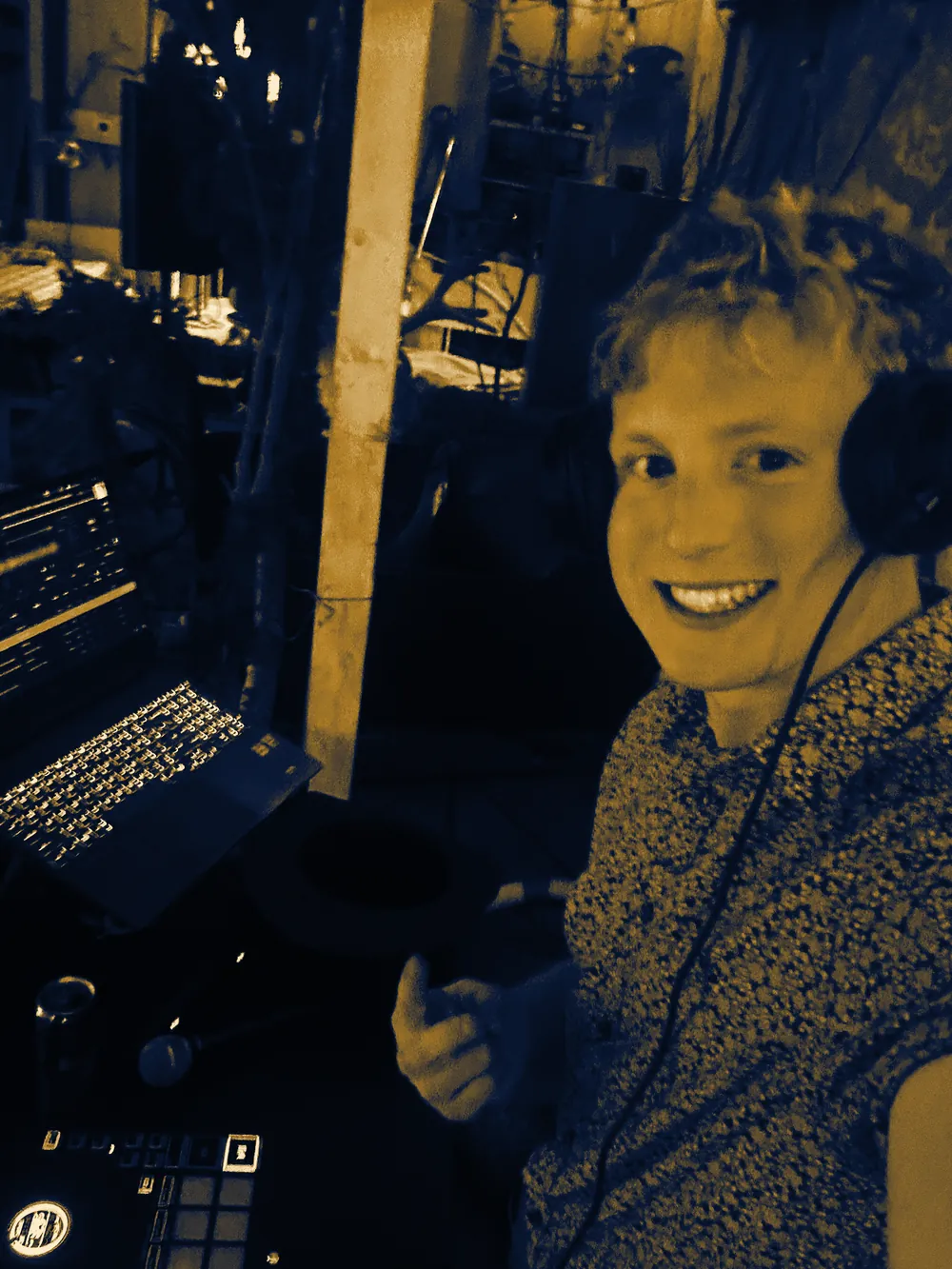
A wedding reception usually runs in this order: cocktail hour, grand entrance, dinner, toasts, first dance, parent dances, cake cutting, then open dancing until a planned last song. If your DJ handles the ceremony too, the day starts earlier, with processional music and a microphone for the officiant. You can shuffle the order however you like, as long as you and your DJ agree on it before the day.
What does the DJ do during the ceremony?
Music and a microphone. The music covers guests finding their seats, the processional, and the recessional the moment you’re officially married. The microphone is for your officiant, and for your vows if you want them heard past the third row.
With ZION’s 6-Hour Wedding Package, ceremony audio is included. A microphone runs into a JBL PartyBox 310, and the mic and speaker arrangements get confirmed with you in advance. At the consultation you’ll pick the processional songs and what plays the second the officiant says you’re married.
If the ceremony and reception are in different spots, bring that up early. It’s a logistics question, and it’s much easier to solve a month out than on the day.
What music plays during cocktail hour?
Background music. People are catching up, so the volume sits under the conversation.
This is a good home for songs you love that would never fill a dance floor, like your parents’ favorites or the record you played all through your engagement. Tell your DJ the mood and a few examples. That’s usually enough.
How does the grand entrance work?
The DJ announces your wedding party, usually in pairs, then the two of you. You can give everyone one song or give each pair their own.
The thing to actually prepare is names. Write them out phonetically. “Siobhan (shi-VAWN)” spares your bridesmaid from being introduced wrong, into a microphone, in front of everyone she knows. If you’d rather skip the wedding party and just introduce the two of you, that’s fine too. It’s quicker.
What happens during dinner?
The music drops lower than cocktail hour. If dinner is a buffet, your DJ can call tables up one at a time so the line doesn’t swallow the room. Announcements like that are worth listing out in advance. Coordinating the agreed announcements and key musical moments is part of ZION’s wedding package, so you won’t be the one standing up to tell people where to go.
When should toasts happen?
While everyone is still sitting down. Near the end of dinner works well, because people are fed and nobody has wandered off yet. Once the dancing starts, getting a crowd to sit back down for a speech is a fight you’ll lose.
Give your DJ the list of speakers in order. The DJ handles the mic handoff and keeps the music off until the last speaker sits down.
How do you plan the first dance and parent dances?
These are the moments that need the most planning and the least improvising. Pick the exact version of the song, because a live recording and a studio one can feel completely different. Then decide whether you want the whole thing or a fade after the second chorus. A full song is a long time to slow dance with everyone watching.
Parent dances can be two separate songs back to back, or one song where the DJ invites the other parents to join halfway through. For blended families there’s no rule at all. Just tell your DJ who’s dancing so the announcement gets it right. This is what special-song planning means in practice.
Some couples do the first dance right after the grand entrance while everyone is already looking at them. That works too.
Cake cutting
Short. Your DJ announces it so the photographer gets in position and guests turn around. Pick a song if you want one. It’s over in a few minutes.
Open dancing and the last song
This is most of the night, and it’s where your requests and do-not-play list do their work. Give your DJ the songs you care about, then leave room to read the floor.
The last song deserves a real decision. Something everyone can sing to, or a slow one to close? Some couples ask for a private last dance, where the floor clears and the two of you get one song alone before the exit. Ask your DJ to give guests a heads-up a song or two before the end so nobody misses it.
A sample six-hour wedding timeline
Here’s one way a six-hour day could look with a 4:30 p.m. ceremony. Treat it as an example to adapt. Your venue, your caterer and your own priorities will shape the real one, and you’ll build it with your DJ at the consultation.
| Time | What’s happening |
|---|---|
| 4:00 p.m. | DJ coverage starts, with music while guests find their seats |
| 4:30 p.m. | Ceremony: processional, officiant on the mic, recessional |
| 5:00 p.m. | Cocktail hour |
| 6:00 p.m. | Grand entrance |
| 6:10 p.m. | Welcome, then dinner |
| 7:00 p.m. | Toasts |
| 7:20 p.m. | First dance, then parent dances |
| 7:40 p.m. | Cake cutting |
| 7:50 p.m. | Open dancing |
| 9:55 p.m. | Last song |
| 10:00 p.m. | Coverage ends |
Setup and teardown aren’t in the table. Those get arranged with DJ Zion in advance.
One thing that’s specific to weddings here. Around the June solstice, the sun doesn’t set in Anchorage until about 11:42 p.m., according to Alaska’s News Source. At a June wedding, 10 p.m. is still full daylight. If you were picturing a sunset photo or a sparkler exit in the dark, you’d need a much later night, and a later night means extra hours.
ZION’s 6-Hour Wedding Package is $750 and covers up to six hours of the agreed schedule, ceremony and reception both. Extra time is $85 an hour, subject to availability and agreed in advance. Local travel in Anchorage and Eagle River is included.
If you’ve got a date and a rough order of events, that’s enough to start. Send it through the availability form or call or text (907) 406-7211, and bring your draft timeline to the consultation. Nothing is booked until DJ Zion confirms the date.